Fresh Coconut Cold Chain: Temperature Logging and Handover
A fresh coconut cold chain involves the product's temperature from packing through delivery, not just the reefer setpoint. Practical sourcing checks for international B2B buyers.
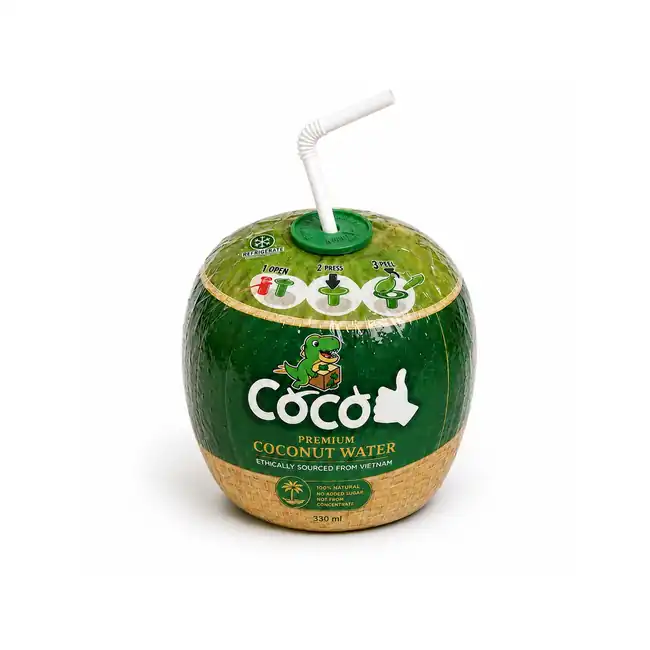
The short answer
A fresh coconut cold chain involves the product's temperature from packing through delivery, not just the reefer setpoint. The appropriate conditions depend on the coconut format, packaging, treatment, transit duration and validated shelf-life. The supplier and freight provider should agree the settings for the actual cargo.
What to verify with the supplier
Ask how fruit is cooled before loading and how the product temperature is checked. Record loading time, relevant measurements and reefer handover details. Discuss the placement of data loggers so the readings can help identify conditions at representative cargo positions. A logger is an evidence tool, not a guarantee that the product remains in acceptable condition.
Commercial and quality considerations
At destination, compare temperature records with fruit appearance, water quality, leakage and the agreed shelf-life criteria. Document breaks in the chain and any delay during customs or local distribution. Do not automatically conclude that a temperature excursion caused a defect; review the complete evidence and follow the agreed claim process.
Frequently asked question
What temperature should be used? There is no universal setpoint for all coconut formats. Request a supplier-validated packing and temperature plan and confirm it with the reefer operator before loading.
Buyer checklist
- Specify fruit format, size and intended sales channel
- Confirm harvest lot, packing and quality criteria
- Validate storage and destination import requirements
- Agree quantity, delivery term and arrival inspection
- Confirm documents and quotation validity